Rawalpindi, the twin city to the capital, is a bustling metropolitan hub with a unique blend of military establishments, commercial markets, healthcare facilities, and government offices. From the crowded stalls of Raja Bazaar to the modern branches of national banks, from the busy outpatient departments of major hospitals to the passport offices serving thousands daily, Rawalpindi’s service sector handles enormous customer volumes. Long queues, chaotic waiting areas, and frustrated customers have long been part of the landscape. A Queue Management System in Rawalpindi is transforming this reality, bringing order, efficiency, and respect for customers’ time to the garrison city’s service points.
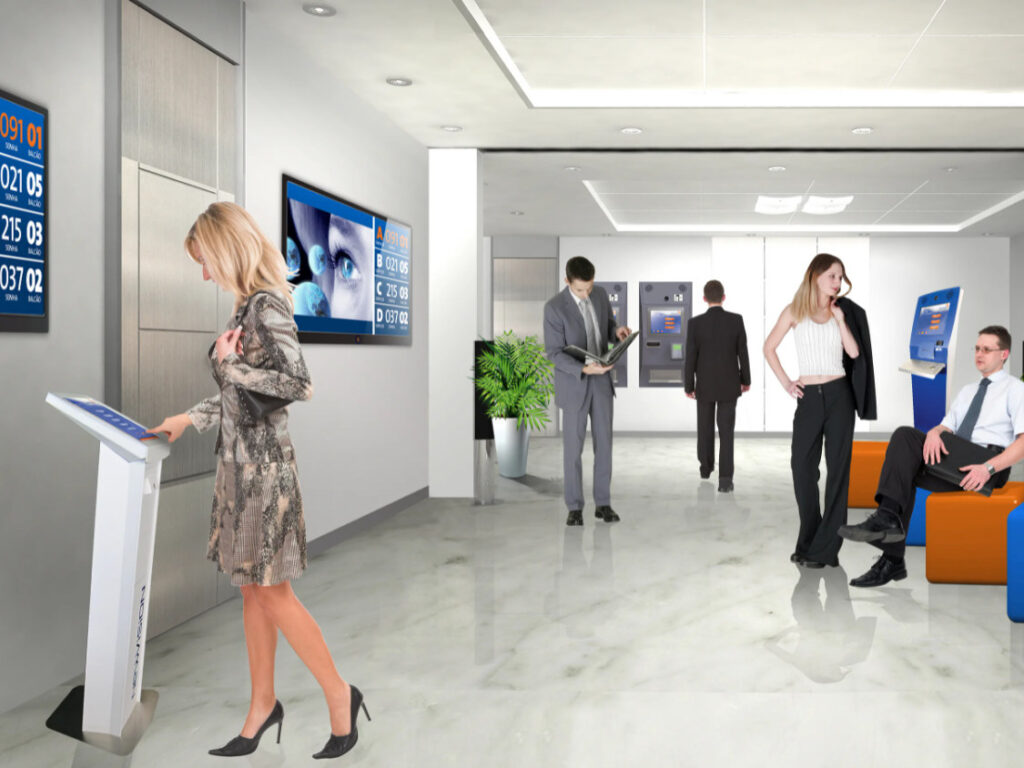
The banking sector in Rawalpindi has been a pioneer in adopting Queue Management System in Rawalpindi solutions. With branches scattered across the city from Saddar to Satellite Town to Bahria Town, banks serve thousands of customers daily. Peak hours — typically mid-morning and early afternoon — create long lines that stretch through lobbies. Customers waiting to deposit cash, cash cheques, open accounts, or resolve issues grow increasingly frustrated. A properly implemented queue management system categorizes customers by transaction type, directs them to appropriate tellers or relationship managers, and provides real-time visibility to branch managers who can open additional counters when queues exceed thresholds.
The healthcare sector in Rawalpindi faces enormous demand. Public hospitals like Benazir Bhutto Hospital (BBH) and Holy Family Hospital see thousands of outpatients daily. Private hospitals like Bilal Hospital and Razi Hospital compete on patient experience. A Queue Management System in Rawalpindi designed for healthcare manages patient flow from registration to consultation to testing to pharmacy. Patients receive tokens upon arrival with estimated wait times. Digital displays show which doctor is serving which token. Managers monitor queue lengths and redirect resources to bottlenecks. For patients already anxious about their health, a well-managed queue reduces stress and improves the entire healthcare experience.
Government service centers in Rawalpindi have implemented Queue Management System in Rawalpindi solutions as part of broader digitization efforts. Passport offices, driving license centers, property registration authorities, and other citizen service points handle high volumes with limited staff. Without systematic queue management, mornings begin with crowds pushing toward counters, creating chaos and confrontations. A queue management system brings order. Citizens take tokens and wait their turn in seated areas rather than crowding counters. Staff work efficiently without pressure from surrounding crowds. Managers access data that enables evidence-based staffing decisions.
The retail sector in Rawalpindi — particularly larger stores in Commercial Market, Sixth Road, and Saddar — benefits from Queue Management System in Rawalpindi during peak shopping hours and promotional events. A grocery store before Eid, an electronics store during a sale, or a customer service desk during return processing all face surge demand. Queue management keeps operations organized, customers informed, and staff focused on service rather than crowd control.
The NextGen Technologies has established itself as a top company in the queue management space, delivering enterprise-grade Queue Management System in Rawalpindi solutions tailored to the city’s unique needs. Their systems are deployed in banks, hospitals, government offices, and retail centers across Rawalpindi. For any Rawalpindi organization seeking to eliminate waiting line frustration, thenextgentechnologies.com is the essential resource.
Queue Management System in Lahore: Serving the Cultural Capital’s Demanding Customers
Lahore, Pakistan’s cultural heart and second-largest city, is a vibrant metropolis with a thriving commercial sector, world-class healthcare institutions, historic government offices, and a retail landscape that draws shoppers from across Punjab. Lahore’s customers have high expectations and low tolerance for inefficiency. A Queue Management System in Lahore helps organizations meet these expectations by eliminating long waits, providing transparent queuing, and delivering data-driven insights for continuous improvement.
The banking sector in Lahore is highly competitive. Banks with branches in Gulberg, DHA, Model Town, and Johar Town all compete for customers based on service quality. A Queue Management System in Lahore provides competitive advantage. Branches with organized queuing, shorter perceived wait times, and efficient service retain customers and attract new ones. The system also generates data that helps bank management optimize staffing across their Lahore branch network. Which branches need more tellers during which hours? Which transaction types take longest? Answers come from queue management analytics.
The healthcare sector in Lahore includes world-class institutions like Mayo Hospital, Jinnah Hospital, Shaukat Khanum Memorial Cancer Hospital, and numerous private facilities. A Queue Management System in Lahore designed for healthcare manages patient flow across multiple departments. A patient visiting an outpatient clinic may need registration, vital signs check, doctor consultation, lab tests, and pharmacy pickup — each step requiring queuing. An integrated queue management system provides a single token that tracks the patient through all steps, with estimated wait times for each. The result is less patient anxiety, more efficient staff, and better health outcomes.
The educational sector in Lahore — including prestigious universities like LUMS, UET, and Punjab University — uses Queue Management System in Lahore for administrative offices. Registration periods, fee submission deadlines, and examination processes generate long queues of students and parents. A queue management system brings order to these processes, reducing wait times and reducing stress for administrative staff. Students appreciate knowing their position in line and estimated wait time.
The government sector in Lahore has embraced Queue Management System in Lahore for citizen service centers. Excise and taxation offices, passport offices, and civil secretariat service points handle thousands of visitors daily. Queue management brings order to what was once chaos. Citizens take tokens and wait in seated areas. Staff serve customers in order without crowding or confrontation. Managers have data to justify staffing requests and optimize service delivery.
The retail and entertainment sectors in Lahore use Queue Management System in Lahore during peak periods. Shopping malls during Eid sales, cinema complexes during holiday weekends, and food courts during lunch hours all benefit from organized queuing. Customers appreciate transparency — knowing exactly how long they will wait and when their turn approaches.
The NextGen Technologies delivers state-of-the-art Queue Management System in Lahore solutions tailored to the city’s diverse business environment. Their Lahore team understands local conditions, peak patterns, and customer expectations. For Lahore organizations ready to transform customer waiting from frustration to satisfaction, thenextgentechnologies.com provides the expertise and technology required.
Queue Management System in Karachi: Taming Pakistan’s Largest and Fastest-Paced City
Karachi, Pakistan’s economic engine and largest city, operates at a speed unmatched anywhere else in the country. Millions of residents, thousands of businesses, and an intense competitive environment demand efficiency. A Queue Management System in Karachi helps organizations meet these demands by eliminating wasted time, optimizing resources, and delivering the service levels that Karachi’s customers expect.
The banking sector in Karachi is enormous. With the head offices of the State Bank of Pakistan and most major commercial banks located in the city, plus hundreds of branches across districts from Clifton to Gulshan to Korangi to North Nazimabad, Karachi’s banks serve more customers than any other city. A Queue Management System in Karachi for a bank branch provides the same benefits as elsewhere — but for a bank with 50 Karachi branches, the centralized analytics become powerful. Regional managers compare service levels across branches. Corporate leadership identifies best practices and replicates them. The result is consistent, high-quality service across the entire Karachi network.
The healthcare sector in Karachi faces the nation’s highest patient volumes. Civil Hospital Karachi, Jinnah Postgraduate Medical Centre (JPMC), Aga Khan University Hospital, and countless private facilities serve a vast and diverse population. A Queue Management System in Karachi for a major hospital manages thousands of daily patient visits. Tokens for each service type. Digital displays throughout the facility. Integration with appointment systems for patients who scheduled in advance. Real-time dashboards for administrators to identify bottlenecks and deploy resources. For patients navigating an already stressful healthcare journey, efficient queuing reduces one significant source of anxiety.
The government sector in Karachi serves millions of citizens. Passport offices, driving license centers, property registration, and municipal service counters handle volumes that overwhelm manual systems. A Queue Management System in Karachi for a government office transforms the customer experience. Citizens no longer stand in chaotic, pushing crowds for hours. They take tokens, receive estimated wait times, and wait in seated areas. When their token is called, they approach a specific counter where a staff member is ready. Service is faster, staff are less stressed, and citizens leave with a less negative impression of government services.
The corporate sector in Karachi — including the head offices of major companies, multinational corporations, and industrial conglomerates — uses Queue Management System in Karachi for internal service departments. Human resources, IT support, facilities management, and other internal service providers often face queues of employees needing assistance. A queue management system brings order to these internal processes, treating employees with the same respect shown to external customers.
The retail sector in Karachi, from the upscale shops of DHA to the bustling markets of Saddar to the massive malls of Clifton, benefits from Queue Management System in Karachi during peak periods. Customer service desks, return counters, and popular retail stores all experience surge demand. Queue management keeps operations organized and customers informed.
The NextGen Technologies is the leading provider of Queue Management System in Karachi solutions, with deployments across the city’s most demanding environments. Their Karachi team understands the city’s unique pace and pressure, delivering systems that perform reliably under high volume. For Karachi organizations seeking to elevate customer service, thenextgentechnologies.com provides the expertise and technology required.
Why The NextGen Technologies Is Pakistan’s Top Company for Queue Management Systems
Across Rawalpindi, Lahore, Karachi, and the entire country, one company stands behind every queue management system deployed. The NextGen Technologies has earned its reputation as a top company through years of delivering authentic products, technical expertise, and genuine customer care. For organizations investing in customer service infrastructure, choosing the right partner is as important as choosing the right equipment.
Comprehensive Solutions: The NextGen Technologies provides complete queue management systems including ticket dispensers, digital displays, audio systems, staff terminals, management software, and analytics dashboards. For organizations with existing systems, they provide integration services. For new installations, they handle everything from design to deployment.
Industry Expertise: The NextGen Technologies has deployed queue management systems across banking, healthcare, government, retail, telecom, education, and hospitality. This cross-industry experience brings best practices from one sector to another.
Local Presence Across Cities: The NextGen Technologies serves Rawalpindi, Lahore, Karachi, and every major Pakistani city. Their local teams understand each city’s unique conditions and provide responsive on-site support when needed.
Training and Support: A queue management system is only as effective as the people using it. The NextGen Technologies provides comprehensive training for all user types — customers using ticket dispensers, staff using terminals, managers using analytics dashboards.
Proven Results: Organizations that implement The NextGen Technologies’ queue management systems report measurable improvements. Wait times decrease by 30 to 50 percent on average. Customer satisfaction scores increase significantly. Staff productivity improves. Managers gain visibility that enables data-driven decisions.
For any organization in Rawalpindi, Lahore, Karachi, or anywhere in Pakistan seeking to transform customer waiting from a frustration into a positive experience, the choice is clear. The NextGen Technologies delivers the systems, expertise, and support that ensure success. Visit thenextgentechnologies.com to request a consultation, schedule a demo, or begin your queue management implementation.
Frequently Asked Questions (FAQs)
Q1: What is the typical return on investment for a queue management system in Pakistan?
Most organizations in Pakistan recover their investment in a Queue Management System within 6 to 12 months through improved staff productivity, reduced customer abandonment, and better resource allocation. For high-volume environments like banks, hospitals, and government offices in Rawalpindi, Lahore, and Karachi, the ROI is often faster because even small reductions in wait times translate to significant customer retention and operational savings. The NextGen Technologies can provide a customized ROI analysis based on your specific customer volume and service patterns.
Q2: Can a queue management system work during power outages common in some Pakistani cities?
Yes. The NextGen Technologies designs systems with power resilience in mind. Ticket dispensers, digital displays, and staff terminals can be connected to uninterruptible power supplies (UPS). The management software is typically hosted on cloud servers with backup power. For organizations concerned about extended outages, the team can recommend specific hardware configurations that maximize uptime. Discuss your power reliability concerns during the consultation phase.
Q3: How long does it take to install a queue management system in Rawalpindi, Lahore, or Karachi?
Installation timeline depends on the number of locations, number of service points, and complexity of integration. A single-branch installation with 5 to 10 service counters typically takes 3 to 5 days including hardware installation, software configuration, and staff training. A multi-branch deployment across a city like Karachi or Lahore may take 2 to 4 weeks. The NextGen Technologies works to minimize disruption, often performing installations during off-hours or weekends.
Q4: Does The NextGen Technologies provide queue management systems for Urdu-speaking customers?
Absolutely. The NextGen Technologies systems support Urdu language interfaces. Ticket dispensers can print tokens in Urdu. Digital displays can show messages in Urdu. Audio announcements can be in Urdu. Staff terminals can switch between Urdu and English. This Urdu support is essential for government offices and other public service points where customers may have limited English proficiency.
Q5: What after-sales support does The NextGen Technologies provide for queue management systems?
The NextGen Technologies provides comprehensive after-sales support including remote troubleshooting, on-site service, hardware replacement, software updates, and user training refreshers. Service level agreements (SLAs) define response times and resolution targets based on your business requirements. Their local teams in Rawalpindi, Lahore, and Karachi can respond quickly to on-site needs. Contact thenextgentechnologies.com for specific support options and pricing.