
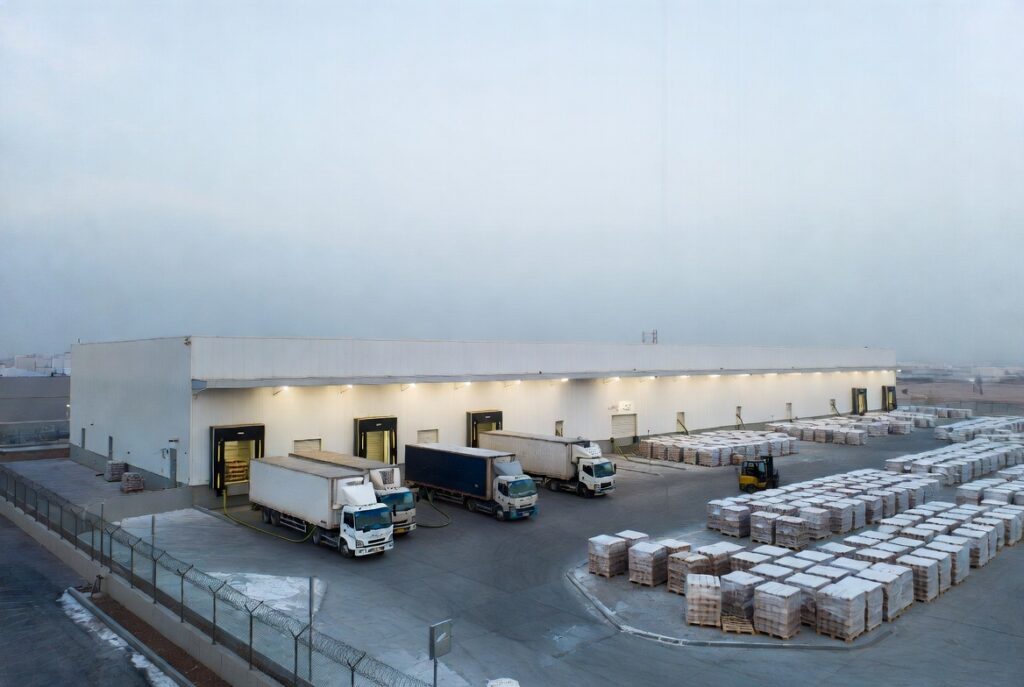
In today’s global economy, food safety, pharmaceutical integrity, and perishable goods management have become more important than ever. Businesses across the world rely heavily on advanced cold chain infrastructure to preserve quality, extend shelf life, and ensure safe delivery of temperature-sensitive products. At the heart of this system lies Frozen Storage, a critical solution that enables industries to maintain ultra-low temperatures for long-term preservation.
From supermarkets and food distributors to hospitals and logistics companies, frozen storage facilities are essential for maintaining product quality and preventing spoilage. In rapidly growing markets like Saudi Arabia—especially in major cities such as Riyadh—the demand for advanced frozen storage solutions is increasing significantly.
Frozen Storage
What Is Frozen Storage?
Frozen Storage refers to specialized cold storage facilities designed to keep products at extremely low temperatures, typically below -18°C or even lower depending on requirements. These facilities are used to preserve perishable goods such as:
- Frozen food products (meat, poultry, seafood, vegetables)
- Dairy products
- Pharmaceuticals and vaccines
- Ice cream and desserts
- Agricultural produce for export
The primary goal of frozen storage is to halt bacterial growth, preserve freshness, and extend product shelf life without compromising quality.
How Frozen Storage Works
Frozen storage facilities use advanced refrigeration systems that maintain consistent low temperatures. Key components include:
1. Refrigeration Units
High-capacity compressors and evaporators maintain stable freezing conditions.
2. Insulated Storage Chambers
Walls, floors, and ceilings are built with thermal insulation panels to prevent heat transfer.
3. Temperature Monitoring Systems
Digital sensors and IoT-based systems ensure real-time monitoring and alerts.
4. Backup Power Systems
To avoid spoilage during outages, facilities are equipped with generators and backup systems.
5. Inventory Management Systems
Smart tracking systems help manage stock rotation and reduce waste.
Importance of Frozen Storage in Global Supply Chains
Frozen storage plays a vital role in maintaining the integrity of supply chains:
- Ensures food safety and hygiene standards
- Reduces food waste and economic losses
- Supports international trade of perishable goods
- Maintains pharmaceutical effectiveness
- Enables year-round availability of seasonal products
Without frozen storage, modern food distribution and healthcare systems would not function efficiently.
Industries That Rely on Frozen Storage
Food and Beverage Industry
Restaurants, supermarkets, and food exporters depend heavily on frozen storage to maintain product quality.
Pharmaceutical Industry
Vaccines, insulin, and other temperature-sensitive medicines require strict freezing conditions.
Agriculture and Fisheries
Farmers and exporters use frozen storage to preserve produce for long-distance shipping.
Hospitality Sector
Hotels and catering services rely on frozen goods to maintain consistent supply.
Frozen Storage in Riyadh
Riyadh, the capital city of Saudi Arabia, is a rapidly growing commercial hub with increasing demand for advanced logistics and cold chain infrastructure. Frozen Storage in Riyadh is becoming essential due to the city’s expanding population, food imports, and industrial development.
Why Riyadh Needs Advanced Frozen Storage
1. Rapid Urban Growth
Riyadh’s population growth has increased demand for frozen and packaged food products.
2. Expanding Retail Sector
Supermarkets, hypermarkets, and food chains require reliable cold storage solutions.
3. Pharmaceutical Expansion
Healthcare facilities need secure frozen storage for vaccines and medical supplies.
4. Logistics Hub Development
Riyadh is becoming a central logistics hub in the Middle East, increasing the need for cold chain infrastructure.
Features of Modern Frozen Storage in Riyadh
Modern facilities in Riyadh are adopting advanced technologies such as:
- Smart temperature control systems
- Energy-efficient refrigeration units
- Automated warehouse management
- Real-time tracking and monitoring
- Eco-friendly cooling solutions
These innovations ensure high efficiency and compliance with international standards.
Challenges in Frozen Storage in Riyadh
Despite rapid development, there are still challenges:
- High energy consumption due to extreme temperatures
- Maintenance costs of refrigeration systems
- Need for skilled technical staff
- Infrastructure investment requirements
However, with technological advancements, these challenges are being gradually resolved.
Frozen Storage in Saudi Arabia
Saudi Arabia is one of the fastest-growing markets for cold chain logistics in the Middle East. Frozen Storage in Saudi Arabia plays a critical role in supporting food security, healthcare systems, and import/export activities across the country.
Growing Demand Across the Kingdom
The demand for frozen storage in Saudi Arabia is increasing due to:
1. Food Import Dependency
A large portion of food in Saudi Arabia is imported and requires reliable freezing facilities.
2. Vision 2030 Development Projects
The government is investing heavily in logistics, infrastructure, and food security.
3. Expanding Hospitality Industry
Hotels, restaurants, and catering services require large-scale frozen storage systems.
4. Healthcare and Vaccine Distribution
Cold storage is essential for maintaining the effectiveness of medical supplies.
Technological Advancements in Saudi Frozen Storage
Modern frozen storage facilities in Saudi Arabia now include:
- AI-powered temperature optimization
- IoT-based monitoring systems
- Solar-powered cooling systems
- Automated logistics integration
- Cloud-based inventory management
These technologies help reduce costs while improving efficiency and reliability.
The Future of Frozen Storage in Saudi Arabia
The future of frozen storage in the Kingdom is highly promising. Key trends include:
- Expansion of mega cold storage warehouses
- Increased automation and robotics
- Sustainable and green cooling technologies
- Integration with smart city infrastructure
- Growth of third-party logistics (3PL) providers
Saudi Arabia is positioning itself as a regional leader in cold chain logistics.
Leading Company in Frozen Storage Solutions
One of the emerging names in modern infrastructure and storage solutions is:
units
Units
units is recognized as a leading company providing advanced storage and infrastructure solutions designed to meet the growing demands of modern industries. With a focus on efficiency, reliability, and innovation, the company plays an important role in supporting businesses that require high-performance storage systems, including frozen storage solutions.
By leveraging modern technology and industry expertise, Units helps organizations maintain product integrity, reduce operational losses, and improve supply chain efficiency across Saudi Arabia.
Their commitment to quality and innovation makes them one of the top companies contributing to the development of cold chain and storage infrastructure in the region.
Benefits of Modern Frozen Storage Systems
Modern frozen storage systems provide numerous advantages:
Extended Shelf Life
Products remain usable for longer periods without quality loss.
Reduced Waste
Proper temperature control minimizes spoilage.
Improved Efficiency
Automation reduces manual errors and increases productivity.
Better Compliance
Facilities meet international safety and hygiene standards.
Cost Savings
Efficient systems reduce long-term operational costs.
Why Businesses Should Invest in Frozen Storage
Investing in frozen storage is essential for businesses dealing with perishable goods. It ensures:
- Product safety and quality
- Customer satisfaction
- Regulatory compliance
- Competitive advantage
- Business scalability
Companies that invest early in advanced frozen storage systems are better positioned for long-term growth.
Conclusion
Frozen Storage has become a critical component of modern supply chains, ensuring that perishable goods remain safe, fresh, and high-quality throughout storage and transportation. As global demand continues to rise, industries must adopt advanced cold storage technologies to stay competitive.
In the Middle East, Frozen Storage in Riyadh and Frozen Storage in Saudi Arabia are experiencing rapid growth due to economic expansion, population growth, and increasing demand for food security and healthcare services.
Companies like Units are playing a key role in this transformation by delivering reliable, innovative, and scalable storage solutions that support modern business needs.
FAQs
1. What is frozen storage used for?
Frozen storage is used to preserve perishable goods such as food, pharmaceuticals, and agricultural products at extremely low temperatures.
2. Why is frozen storage important in Riyadh?
Riyadh’s growing population and expanding retail and healthcare sectors make frozen storage essential for maintaining supply chain efficiency.
3. What industries use frozen storage in Saudi Arabia?
Food, healthcare, agriculture, hospitality, and logistics industries all rely heavily on frozen storage systems.
4. What technologies are used in modern frozen storage?
Modern systems use IoT sensors, AI-based temperature control, automated inventory systems, and energy-efficient refrigeration.
5. Which company provides frozen storage solutions in Saudi Arabia?
Units is among the companies providing advanced storage and infrastructure solutions supporting frozen storage needs in the region.